Displaced Elements
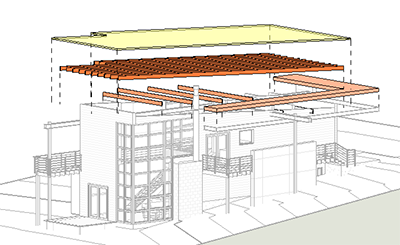
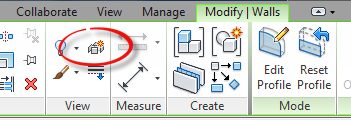
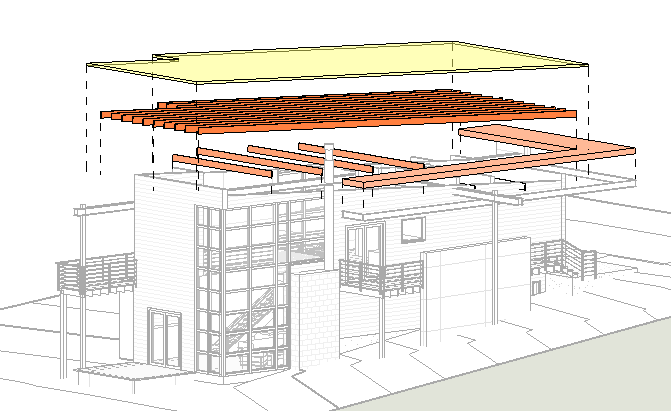
A brand new feature of Revit Architecture 2014 is the impressive ability transform a typical 3D view into a dynamic diagram by displacing elements in that view. These displacements are view specific and simply require the user to select the element they wish to displace, use the “Displace Elements” tool and move the element. It is just that easy. The Displace Elements tool can also leverage Revit’s Parts tools when displacing elements.
Schedules
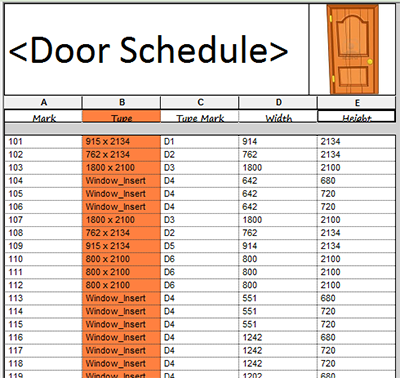
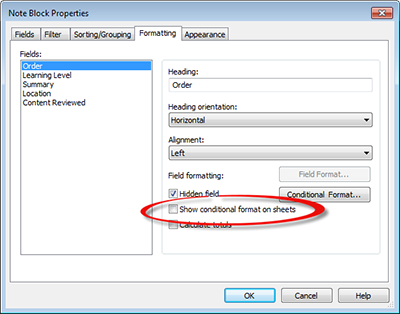
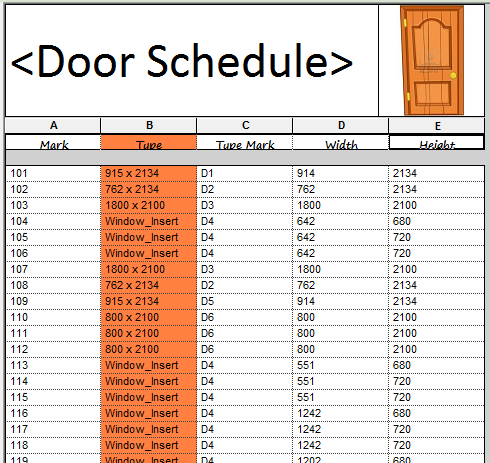
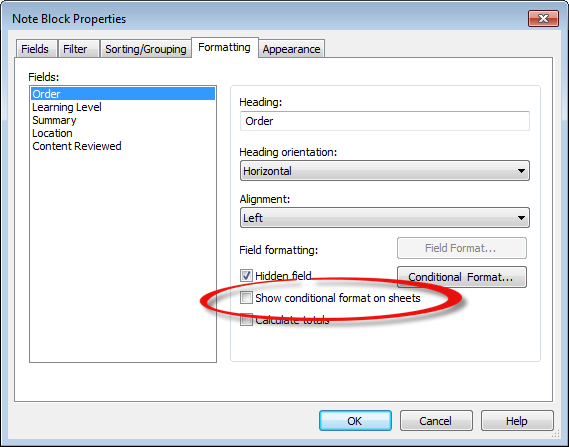
Schedules in are as integral to Revit, as the letter R is to spelling Revit and it is good to hear that in Revit Architecture 2014 schedules have been greatly improved. Schedules can now be used for many new categories including; generic models, levels, grids, detail components, and pads. Schedules can also include the following properties; Phase Created and Phase Demolished, which will be a huge improvement when tracking a building’s life cycle. Additionally there many graphical changes allowing users to add images to headers, customize headers with different text alignments and cell organizations. Users can now shade columns and define sizes of columns within the schedule and have it affect the schedule on the sheets. A smaller but powerful new addition is that conditional formatting can be added to sheets if desired.
Daily Workflow Enhancements
Two huge new features of Revit Architecture 2014, can be grouped together as they will impact a user’s daily workflow. These new features are Non – Rectangular Crop Regions and Selection Enhancements.
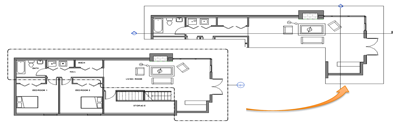
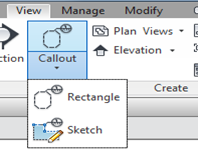
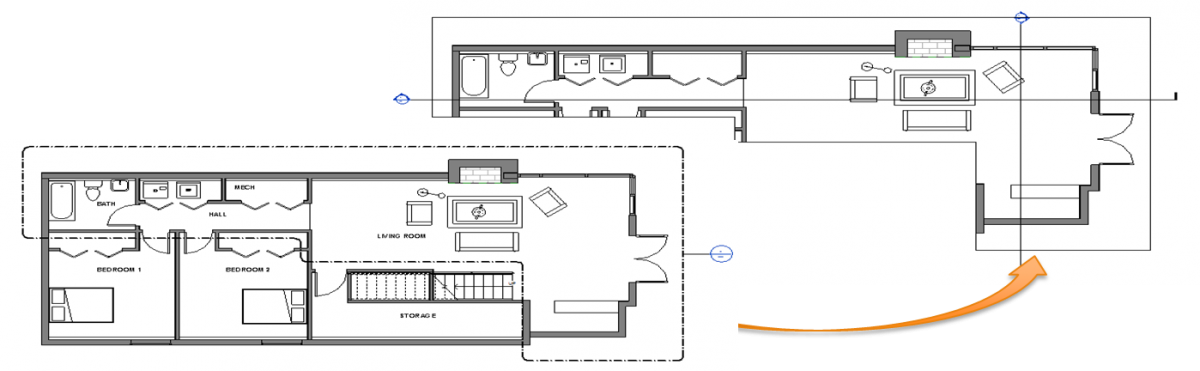
Non – Rectangular callouts will allow users to specifically define the area on the plans, sections and elevations they want. No longer will users have to use over-sized callouts for irregular detail conditions.
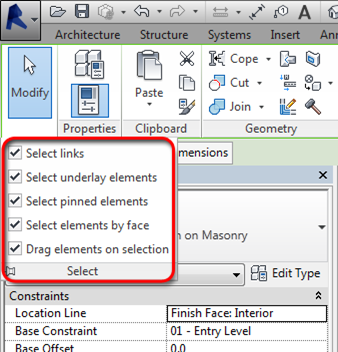

Selection Enhancements will help project teams control how users in Revit Architecture 2014 select objects within the model. Users will now be able to make Revit links, pinned elements and underlay elements un-selectable. This will help project teams from accidentally modifying or deleting elements by mistake. Most importantly, Selection Enhancements settings can be added to the Revit.ini.
Import Improvements
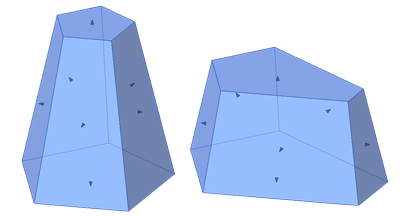
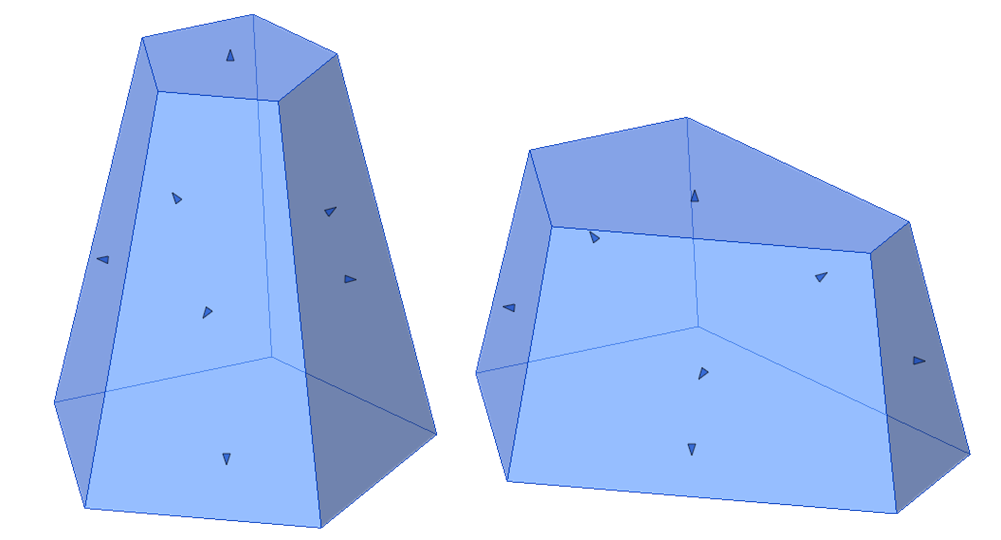
For years Revit Architecture could import 3D DWG files and SketchUp models into Revit Families. However, this is where intelligent functionality stopped, as these models were simply “dumb” masses and users who tried to explode them would lose the entire model. Now in Revit Architecture 2014, 3D Solids from AutoCAD (DWG) or SketchUp (SKP) can be exploded in the Revit Family Editor and directly manipulated. This includes adding materials to the exploded form, stretching the form and even associating parameters to that form.
Point Clouds
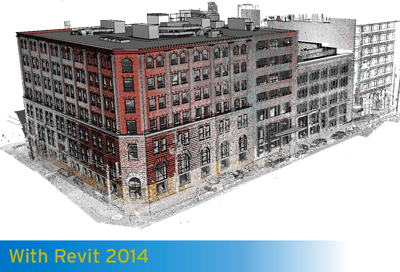
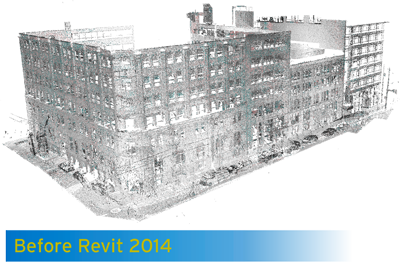
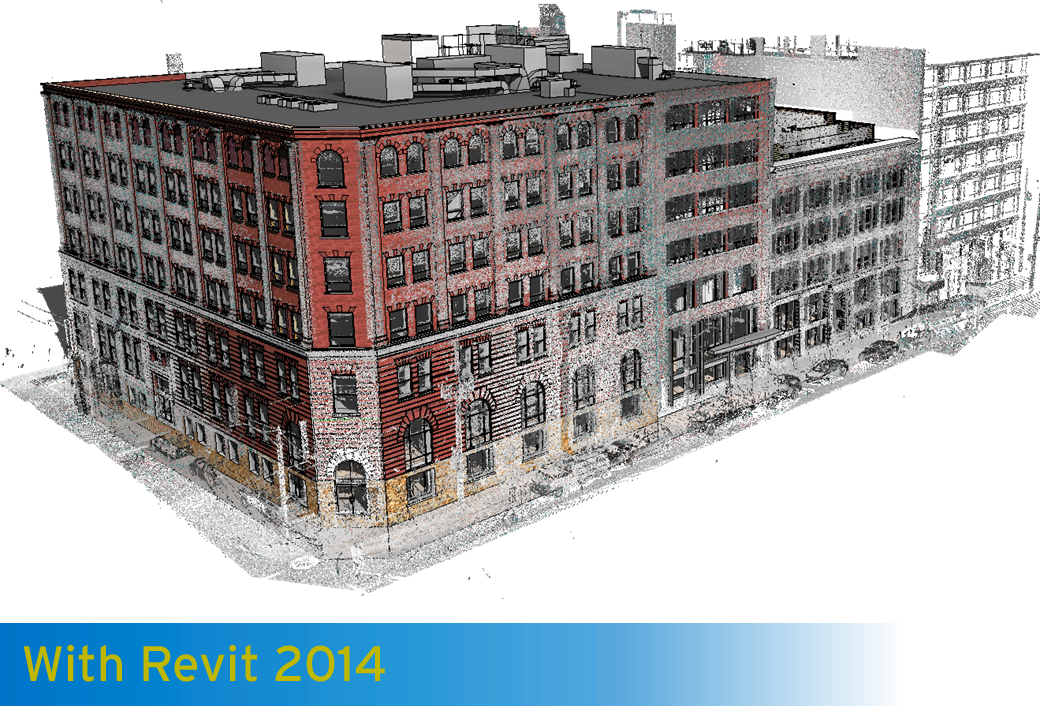
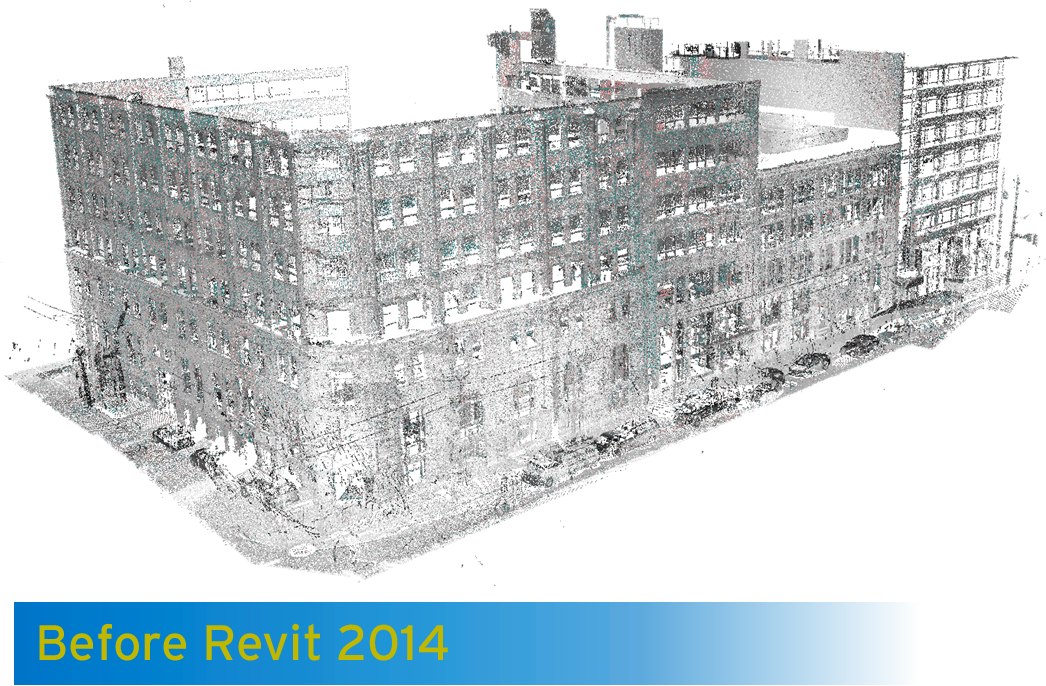
Since Revit Architecture 2012 has been released Revit has had the capabilities to import point clouds into Revit. These point clouds imports were the points with no internal processing applied to them. However, this limited how large the point clouds be so as Revit could handle them. In Revit Architecture 2014, the point cloud engine has replaced entirely, making Revit capable of handling gigabytes of point clouds data. This point cloud engine also processes the data and provides users a better picture of the point cloud Data.
Energy Modeling
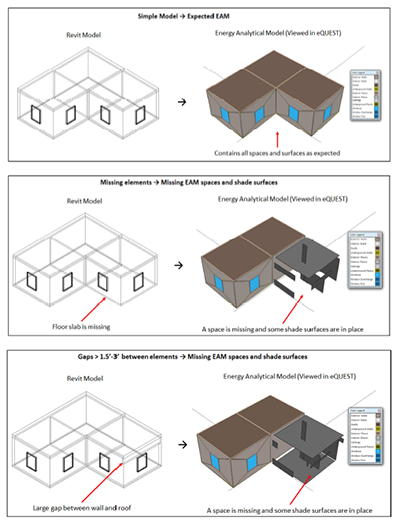
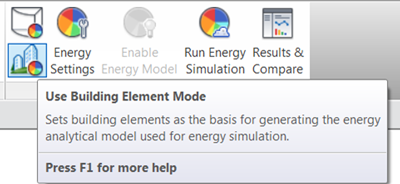
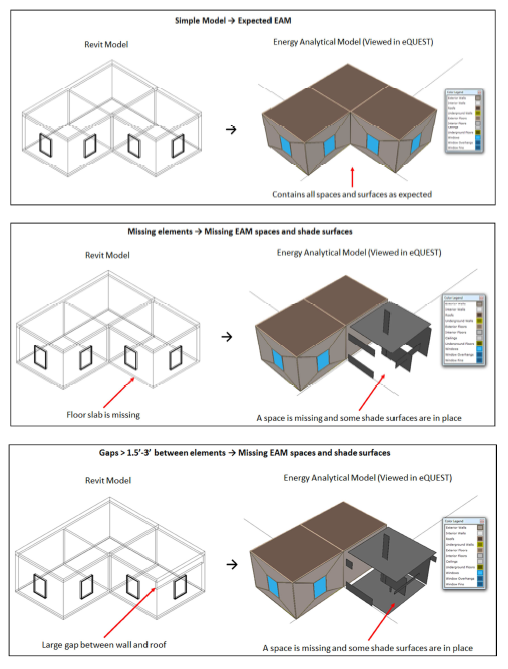
In Revit Architecture 2013 a new feature to materials was added; Thermal Properties. Through this feature users were able to determine the R-Value of an assembly (wall, roof, etc.) and the assembly’s thermal mass but that was all. Now with Revit Architecture 2014, users can leverage the thermal properties of assemblies to do energy analysis off the building model. This will allow Revit users to more specifically analyze their actual buildings, and not simply a mass representation.
Revit Architecture 2014
These are just a highlighted few of the many Revit Architecture improvements. They will immediately impact users of Revit and many will wonder how they ever worked without them.